

Retiring in Europe is appealing, but many countries make long-term residency, taxes, and healthcare complicated. France is one of the few places where retirement is both legally straightforward and makes financial sense.
For Americans considering retirement abroad, France stands out for four reasons:
- The visa is straightforward to obtain, both for traditional and early retirees.
- The quality of life is high and the healthcare is both top-notch and affordable.
- The US-France tax treaty can reduce or eliminate many of the high taxes France is famous for.
- There’s a wealth of culture and rich history available throughout the country.
Why We Chose France
In 2024, my wife and I were on a mission. We were both working remotely, and had stored our belongings and were traveling long-term. We wanted to find somewhere to settle that was affordable, supported a car-free lifestyle, had a mild climate, and had easy access to mountains and the sea.
California was great, but entirely unaffordable. Outdoor access was overcrowded, and the walkable cities were suffering from a myriad of post-Covid issues. Nowhere else in the US had the right mix of weather, livability, and nature. So we set out to find the perfect destination internationally.
After traveling around much of the Mediterranean, we ultimately settled on France. It had the right mix of everything we were looking for: great culture, developed infrastructure, beautiful outdoors, and it fit our budget well.
Compared to Spain or Portugal, France offered us a better quality of life at a similar price, after factoring in the savings from the US-France tax treaty.
Infrastructure and Car-Free Living in France
Not all Western European countries are created equally, at least not when it comes to things like reliable public transportation, well-developed outdoor recreation opportunities, and road safety.
Living without a car, we really rely on the trains or buses showing up (relatively) on time, the drivers being respectful towards pedestrians and cyclists, and infrastructure that prioritizes more than just cars. We felt that France was quite far above the others in this regard. After a few months of harrowing roadside walks in the Balkans, we realized just how important this is to overall quality of life.
Watching our parents struggle to drive as they aged, we feel that it’s crucial to live somewhere with a strong transportation infrastructure. Even if you choose to buy a car after moving to France, having high-speed trains and frequent buses adds a whole new layer of convenience to life.

Healthcare Access for Retirees
France is consistently ranked as one of the best healthcare systems in the world. Between high-quality care and affordable costs, retirees can expect long health spans and an excellent quality of life.
After living in France for three months, most residents can apply for access to the public healthcare system. Medical costs are reimbursed by the state up to 70%, with the remainder being covered by affordable private insurance. This can lower the costs of an already affordable system even more.

A Straightforward Retirement Visa
If you just want to buy a vacation home and spend less than 90 days at a time in your country of choice, then the world is your oyster. But to actually settle in another country long-term requires a huge amount of research, planning, and paperwork.
France makes this process relatively straightforward with the Long-Stay Visitor Visa (VLS-TS Visiteur). It gives those with passive income above the French minimum wage a renewable, year-long visa. And after five consecutive years living in France, you’ll qualify for permanent residency.
For those who are no longer working but can support themselves through pensions, investments, or savings, France offers a clear path to permanently settle in the country. Not only does France have a rich culture and history to retire into, but travel to the rest of Europe becomes easy with short, cheap flights and an end to the 90-day restrictions.

Why France Is Surprisingly Tax-Friendly for American Retirees
Perhaps the only time where being an American citizen can actually lower your taxes, at least for those with only passive or retirement income.
The tax treaty is quite dense to read, but in summary: all dividends, interest, and capital gains from US-domiciled funds are taxed only in the US, not in France. Additionally, France does not tax 401(k) and Roth withdrawals or Social Security income.
This means that for a typical US retiree with retirement and capital income but no earned income, France wouldn’t tax any income. Combined with the US’s generous standard deduction and 0% capital gains bracket, an income tax-free retirement is entirely feasible for middle-class retirees.

A Deep and Rich Culture
France’s appeal goes far beyond taxes and logistics. One of the strongest benefits of retiring in France is living inside a culture that has been continuously shaping art, food, politics, and daily life for centuries.
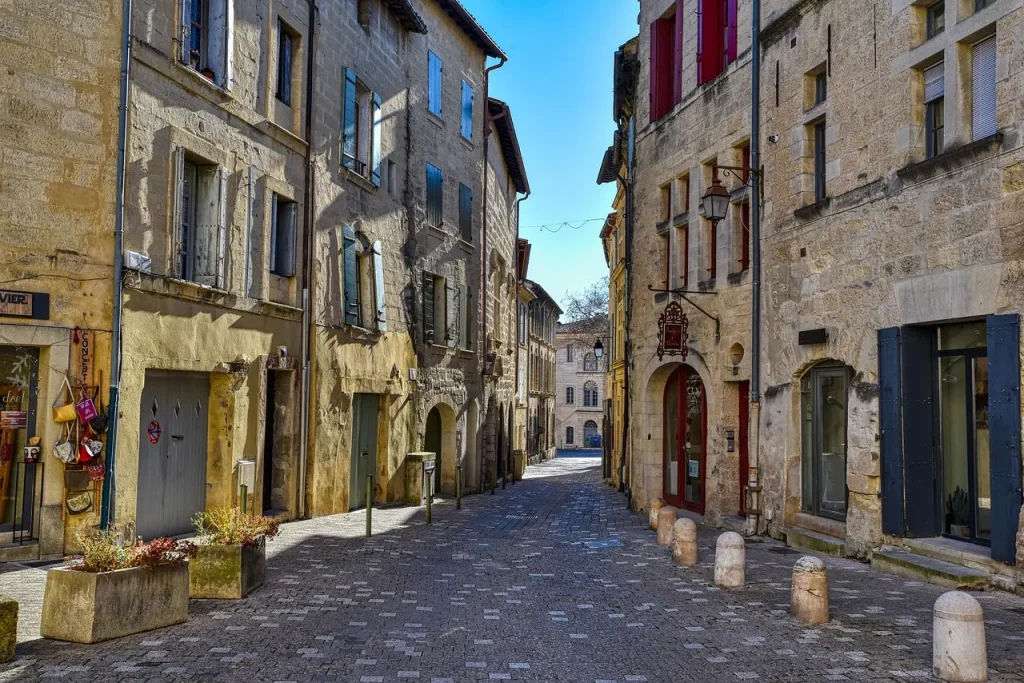
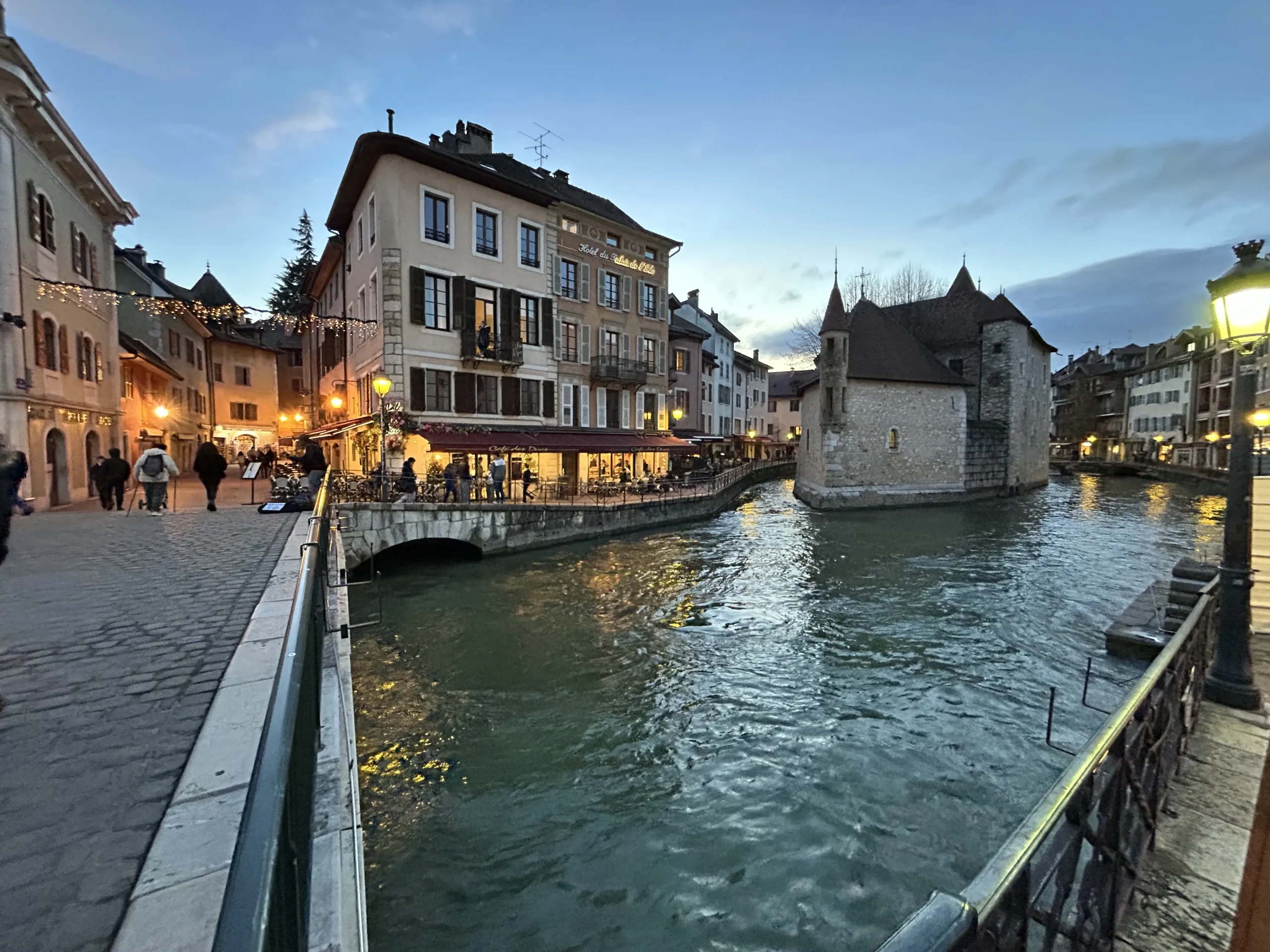
History in France is not confined to museums. Medieval town centers, Roman ruins, and centuries-old churches are part of everyday surroundings. Even small towns often have a documented history stretching back hundreds of years, and local identity is taken seriously. This creates a sense of place that is hard to replicate in newer countries.
Cultural life is also highly accessible. Public museums, concerts, lectures, and exhibitions are often subsidized or free, especially for residents. Cities and towns regularly host festivals tied to regional food, wine, or historical events. Participation is encouraged rather than commercialized.
Food culture is another major draw. Meals are treated as social rituals rather than fuel, and quality ingredients are widely available at reasonable prices. Local markets, bakeries, and cafes are part of daily life, not luxuries. For retirees, this makes routine living feel richer without requiring higher spending.

Downsides and Tradeoffs
France offers a rare combination of livability, legal stability, and long-term residency options, but it’s not without tradeoffs. These are some of the downsides that are worth understanding before committing to retirement in France.
Bureaucracy and paperwork
France relies heavily on formal administrative processes. Visa renewals, healthcare registration, and tax filings can be slow and document-heavy, with requirements that sometimes vary by prefecture. Patience and thorough preparation are more important than speed.
The language barrier
While daily life can be managed in English in larger cities, French is essential to navigating the myriad of administrative tasks and fully integrating into the culture. Over time, learning French becomes more of a necessity than a choice.
The slower pace of life
French life prioritizes balance over convenience. Shops often close for lunch, many businesses shut down on Sundays, and responses to requests can take longer than in the US. For some retirees, this becomes part of the appeal, but it can be frustrating during the adjustment period.
Taxes can be complex
France is not a low-tax country, and the benefits of the US–France tax treaty only apply to a narrow band of income. Retirees with French rental income, self-employment income, or non-US pensions may face higher taxes and social charges. Careful planning is essential.
Housing in desirable areas can be competitive
In walkable cities and popular regions, long-term rentals can be competitive and paperwork-intensive. Landlords often require extensive documentation, and furnished rentals are limited. Flexibility on location and timing can make the process much easier. Renting has been our biggest struggle in France.

Further Reading
France is an excellent fit for retirees looking for a high quality of life at a slower pace. For those willing to adapt to its systems and culture, the tradeoffs are worth it.
If you’re seriously considering retiring in France, the next step is understanding the details. We’ve published an in-depth guide for Americans that walks through visas, income requirements, healthcare access, taxes, and common pitfalls in much more detail.
You can read the full guide here: How to Retire to France from the US.
If you have questions or want to share your own experience, feel free to leave a comment below or write us directly.
🥖 🧀 🍷



Leave a Reply