
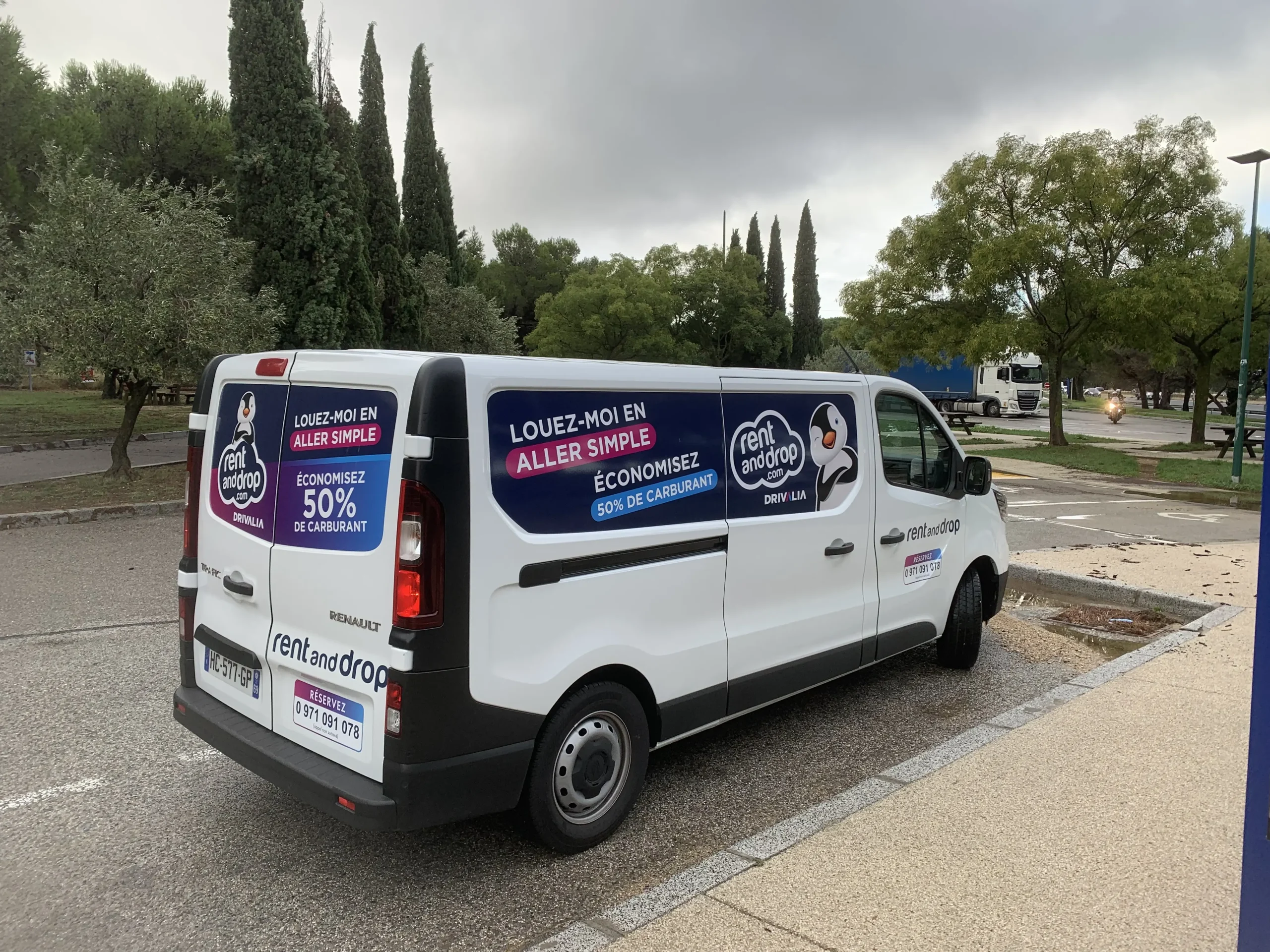
Moving in France is almost like it was in the US. Rent a truck bigger than any vehicle you’ve ever driven before, cram it full of everything you own, reflect on how you’ve managed to accumulate so much stuff, then drag it up a bunch of stairs to your brand new place. However, France adds a few extra hurdles to keep it interesting. One tiny little gotcha nearly derailed our entire plan of doing it ourselves.
Disclosure: This article contains affiliate links. If you choose to use them, we may earn a commission at no additional cost to you. We only recommend services we believe are genuinely useful.
What’s the same
Much of the process of moving is very similar to the standard American DIY U-Haul move. There are plenty of companies available that rent vans and trucks for moving, generally referred to as Utilitaires. As usual, it costs significantly more to return to a different location than renting for a round trip (€250 vs €40).
It’s just as difficult to pack up a truck, clean the old apartment, do a move-out inspection with the old landlord, drive to the new apartment, do a move-in inspection with the new landlord, and unpack everything. We ended up doing everything over three days, but we could have certainly squeezed it into two if we wanted to up the stress levels even more.
Driver’s license requirements
We had no problem using our standard US driver’s licenses to rent the van. There weren’t any extra checks or verification. We did the standard vehicle walk around, got the keys, and were on our way in under 15 minutes.
Rental insurance
We opted to buy the extra insurance this time, but all car rentals in France actually include liability insurance by law. If you already have health/travel insurance and a travel credit card that covers theft and collision in France, the optional insurance from the rental company doesn’t add much else.
The biggest challenge (for us)
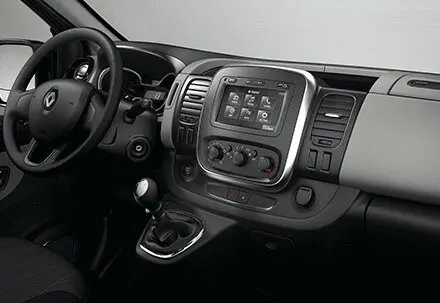
The number one, biggest surprise for us: There are no automatic transmission moving vehicles in France.
Growing up in the US, there were no manual transmission cars to learn with, even if we wanted to learn. So we had never learned and just assumed we could always rent or buy automatics.
Rather than pay someone else to drive our stuff (and have to still travel separately), the “easiest” path forward was to just bite the bullet and learn. Everyone here seems to be fine with it, so how hard could it really be?
Luckily, we had some friends who were willing to teach us. So we rented the cheapest econobox car around and spent a day of fun learning what burnt clutch smells like.
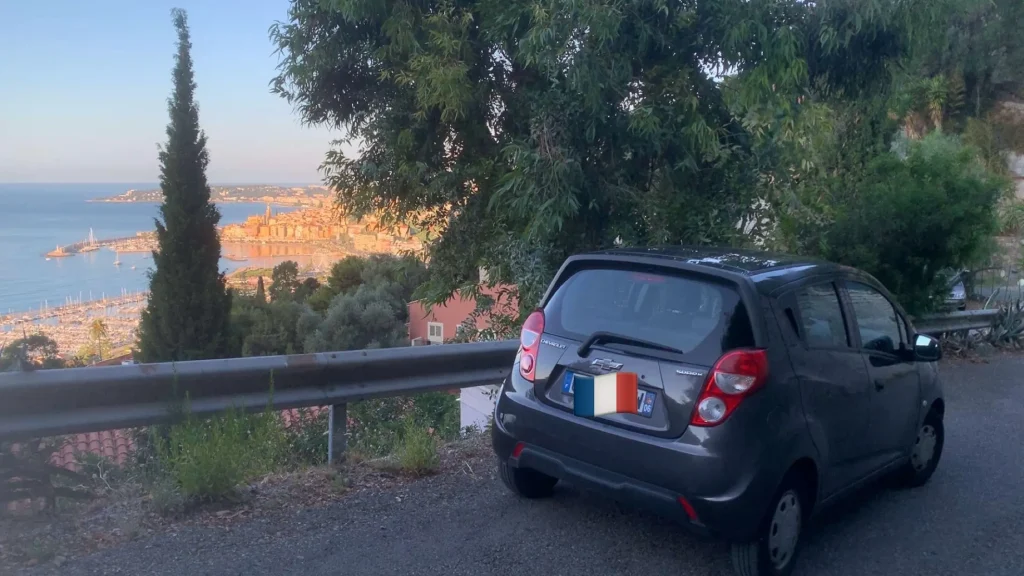
Maybe common knowledge to some, but we thankfully found out that driving a diesel truck with hill assist is SO much easier than a small gas car. One thing that wasn’t easy, though, was maneuvering a large vehicle through Mini Cooper sized streets. Doubly so with no rearview mirror or backup camera.
The other differences
“Breaking” the lease
In the US, breaking a lease and moving mid-year is a big deal. The lease protects the landlord and guarantees them the income from the tenant. If you can’t neatly fit your move into your landlord and lease’s schedule, there’s usually a large penalty equal to one or two months of rent. This applies regardless of how many years the tenant has lived in the unit.
In France, the lease exists to protect the tenant. A one-year lease on a furnished rental means the landlord can’t push the tenant out until the lease ends. Moving out mid-lease is no problem, and generally only one month’s notice is required. This applies regardless of how many years the tenant has lived in the unit, even less than a year.
The cost of the move
Fuel and tolls in France and Europe as a whole are much higher than in the US. Paying any sort of toll in the US is the exception, not the norm. Gas (most moving vans use gasoline) costs about $3.19/gal (€.71/L). In France, diesel costs $7/gal (€1.60/L) and gasoline is similarly priced. If fuel was that expensive in America, there’d likely be riots and a complete societal breakdown.
The toll cost for our 600km (375 mile) drive was about €70, and the fuel cost €80. TollGuru is a great tool for estimating these costs ahead of time and ended up being quite close for us. The van rental and insurance was €350, bringing the total for physically moving us and our things across the country to €500.
We tried estimating the cost of hiring movers to haul our things, but struggled to get an accurate quote. Most businesses want you to call them and ask; none freely provided the quotes online. We heard a range from €800 to €2500, but none were very convincing. Plus, we would have the extra cost of flying or taking the train to meet the movers in our new city.
Conclusion
If you can drive a manual transmission and are used to driving in France, then a DIY apartment move is very similar to the US and likely the rest of the Western world. It will still be stressful and physically taxing, plus a bit more expensive, but all the pieces are the same.
While this was certainly an experience, next time we’ll likely be paying movers to do the hard parts. At least that’s the plan, until we get hit with the sticker shock and think, “Why pay someone else when we can do it ourselves?”
Questions? Comments? We’d love to hear from you in the comment section or feel free to write us directly.
🥖 🧀 🍷





Leave a Reply