
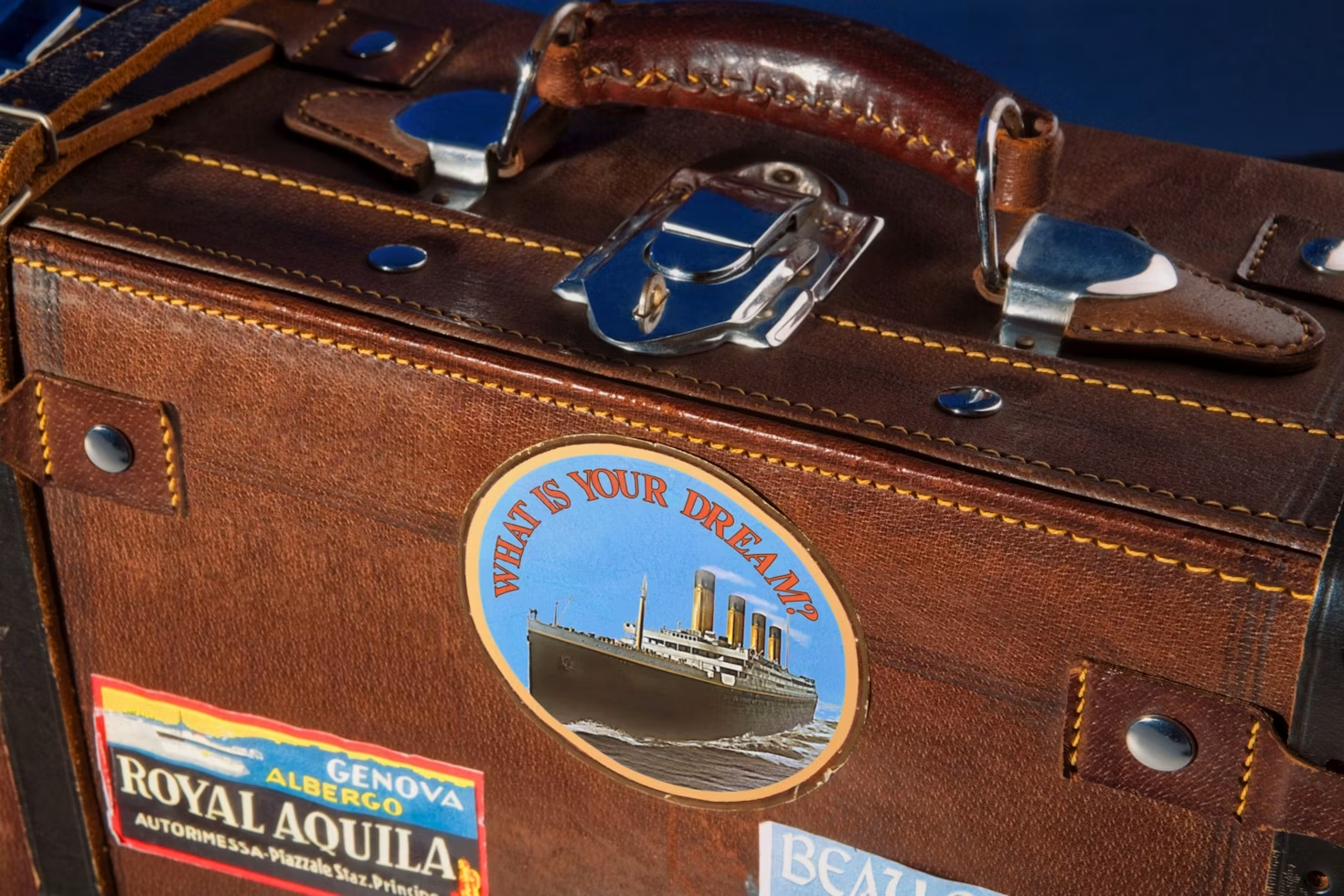
Moving across town can be stressful as-is. But moving to another continent entirely? It can come with a set of completely new challenges you may not even be aware of.
Before you move to France, there’s undoubtedly a laundry list of things to do and accomplish. Hopefully this list can shed some light on the less-than-obvious tasks that can really make or break an international move.
Disclosure: Some links in this article may be affiliate links. If you choose to use them, we may earn a commission at no additional cost to you. We only recommend services we believe are genuinely useful.
A Year Before Your Move to France
Language
The more fluent you can become in French, the smoother and easier every single step of moving to France will be. While English may be widely spoken in larger cities and there are plenty of expat groups, having a minimum of A2 French will help drastically.
Visas
Know which visa you’ll use to move to France and ensure you qualify for all of the requirements. For retirees, that’s usually the VLS-TS Visitor visa. You can read more about the process in our Visitor visa guide.
Scouting trips
The more trips to France you can take, the better. We’d recommend a broad trip first, to see as many different areas you may be interested in as possible. Then, try to spend at least a month living in your target city to really get a feel for daily life.
Budget and tax planning
After honing in on a city to live in, it’s a good time to start thinking about your budget. Are you planning on buying or renting? How much will insurance and medical care cost? Can you afford a car? For an example of what we spend in a year, check out our cost of living article.
Another major piece to understand is what your tax burden will look like in France. Living in a foreign country as a US expat means you’ll have two tax returns to file every year.
Sort through belongings
Take inventory of everything you own and decide what you’ll bring with you and what you won’t. Start selling or donating items now in preparation for your move.
Consider the tradeoffs for the major options available:
- Move everything with you in a shipping container
- Store items back home and rebuy in France
- Sell everything and rebuy in France
Taking everything with you in a shipping container can be the safest bet if you’re unsure whether you’ll stay in France or return home, although it can be expensive at $3k-$10k each way.
Storing items back home is a good idea if you’re unsure whether you’ll settle in France long-term. Many expats end up moving back home in a few years, and this prevents you from having to rebuy everything you just sold.
The cheapest option by far is to simply sell everything before the move and only take a few suitcases. You’ll be able to rent a furnished apartment in France and purchase the essentials throughout the first year.
Driver’s license
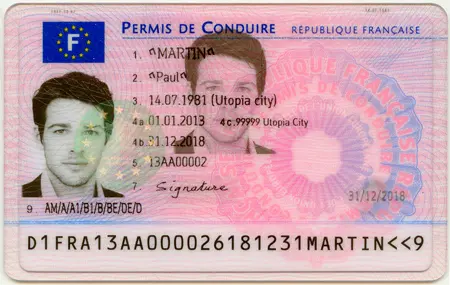
Live in one of the states that allows driver’s licenses to be transferred to France? Consider picking up a second copy, as you’ll have to surrender one to receive your French license.
If you don’t live in one of the states with an exchange agreement, it may be easier to find a way to transfer your license to one, rather than pass the French driving exam.
3-6 Months Before Your Move to France
Open new accounts
Currency conversion
You’ll need a way to fund your life in France even before you’re able to open a French bank account. The best way is through an account that allows you to convert from dollars to euros. Wise is the most popular and easiest to use, but Interactive Brokers also has some strong points.
Read our full Wise review here.
Credit cards
Credit cards are the best way to make everyday purchases. Be aware that it becomes much more difficult to open new accounts once living overseas full-time, so make sure to open any new ones that you’ll need.
Any card with no international fees will do, but we’re particularly fond of the Capital One Savor card. We recommend having at least one backup card.
Also note that Amex is not widely accepted in France. Most businesses only take Visa or Mastercard.
Close old accounts
Every year when filing your French taxes, you’ll be required to fill out a form for every foreign account you have. We have over 40!
To lighten the burden of filling out too many 3916’s, close any unused accounts before arriving in France.
Mailing address
You’ll need a plan for how you’ll receive mail and whether or not you’ll let all of your financial companies know you’ve moved abroad. Some institutions don’t support expats and will close your account outright, while others may restrict certain actions like investing in new stocks.
To maintain some presence in the US, you’ll need to decide whether to use the address of a friend/family member to receive mail, or whether to pay for a service to handle your mail. Most mail services require notarizing a Postal Service form, which takes some time to complete.
Pets
Look over the regulations for importing pets into France and start working on any needed vaccines or paperwork. Plan how you’ll travel with your pet and what’s needed once you’ve arrived in France.
Document organization
Make sure to look through the requirements for the visa and ensure you’ve got everything up to date. Passports, Global Entry, birth certificates, marriage license, and any other government documents are much better renewed early.
Applying For Your Visa
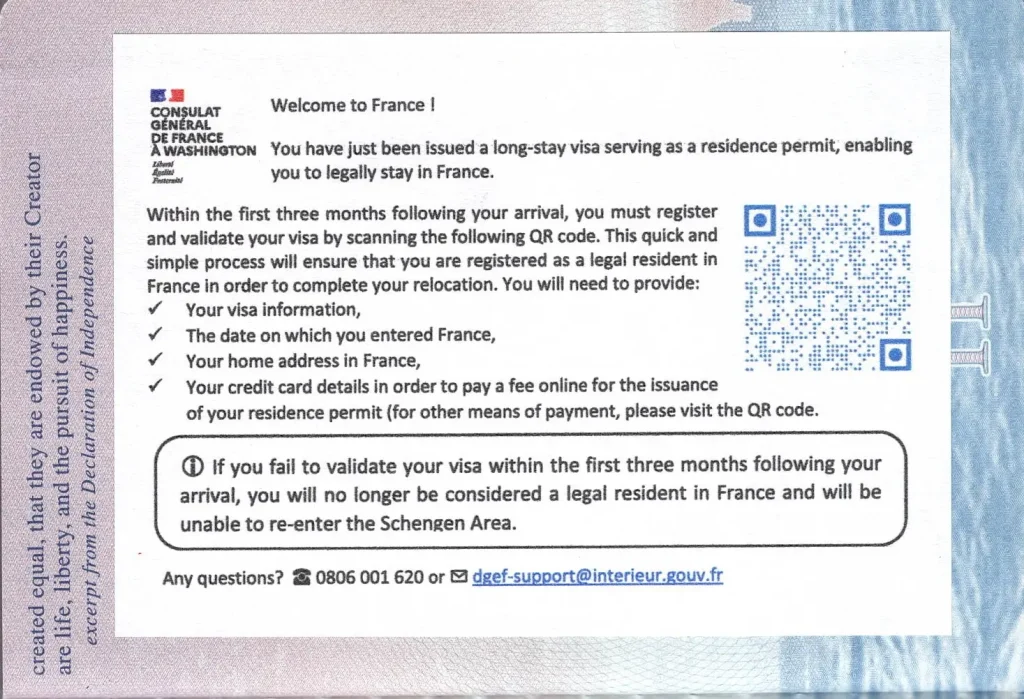
Plan on submitting your visa application 2-3 months before your planned arrival date in France. You’ll need to physically submit all of your paperwork at one of the visa processing centers and receive your passports back in the mail. Make sure to check waiting times for an appointment and leave plenty of time so you’re not rushed.
Documents needed for your visa application
- Passport
- Passport-style photographs (can be taken at the processing center)
- Proof of sufficient funds
- Proof of accommodation
- Proof of health insurance
1-3 Months Before Your Move to France
Phone numbers
You’ll likely want to keep your old phone number active and may occasionally need to receive a call or text on it. Having a US number also comes in handy when calling 1-800 numbers for customer support. The cheapest option is to port the number to Google Voice. It’s the solution we use, but some expats choose to keep a very cheap phone plan active.
It’s also a great idea to have an eSIM setup to cover the time between arriving in France and getting a French phone number. We love setting them up before departing so we have service as soon as we land.
Renew cards
Receiving a new credit card while overseas can be complicated. It’s best to get in touch with all your banks and get fresh copies of all credit and debit cards so you won’t have to worry about it for the first few years in France.
Setup 2FA and contactless payment
The less you rely on text going to your phone while you’re abroad, the better. Switch any apps that support it to app-based two-factor authentication before leaving.
Add all your credit cards to Apple or Google Pay on your phone’s wallet. Using contactless payment with your phone is the most common way to pay in France. We’ve had issues adding some credit cards to our Apple Pay from outside the US.
HSA
France does not recognize the tax advantaged status of an HSA like they do for 401k’s and Roth accounts. Dividends received in an HSA must be declared on French taxes.
Consider switching your HSA to low or no-dividend holdings. It can also be wise to reset your cost basis before leaving the US, while it’s not a taxable event.
Stock up on medications
Research the availability of your prescriptions in France and decide if it’s prudent to bring extra supplies. Narcotics and some other prescriptions may be more difficult to bring into France. Have a plan for getting a new prescription in France, and make sure appointments are available at local doctors by checking Doctolib.
French pharmacies don’t sell medications in large quantities, so a big bottle of Tylenol is definitely something to pack if you’re a frequent user.
Vaccination records
Theoretically, there should be a check of vaccination records at the OFII medical exam during your first year in France. If you have your childhood vaccination booklet handy, pack it and bring it with you to the exam.
We were not asked for our vaccine records at our appointment in Nice, and to us, this doesn’t seem like something to stress about if you no longer have your records.
One last dental visit
The dentists in France usually focus on current issues, not preventative measures. If you’re used to American-style cleanings, de-scalings, and fluoride treatments, schedule one last visit before leaving if you still have dental coverage. Stock up on extra freebies too, the most you’ll get in France is a small toothpaste tube.
Conclusion
Of course, this list doesn’t cover the countless other things to do to prepare for this huge move, like canceling insurances or selling your car. But hopefully it touches on some of the less-obvious tasks that we’ve learned after doing it ourselves.
Questions about the move? Comments? We’d love to hear from you in the comment section, or feel free to write us directly.
🥖 🧀 🍷


Leave a Reply