
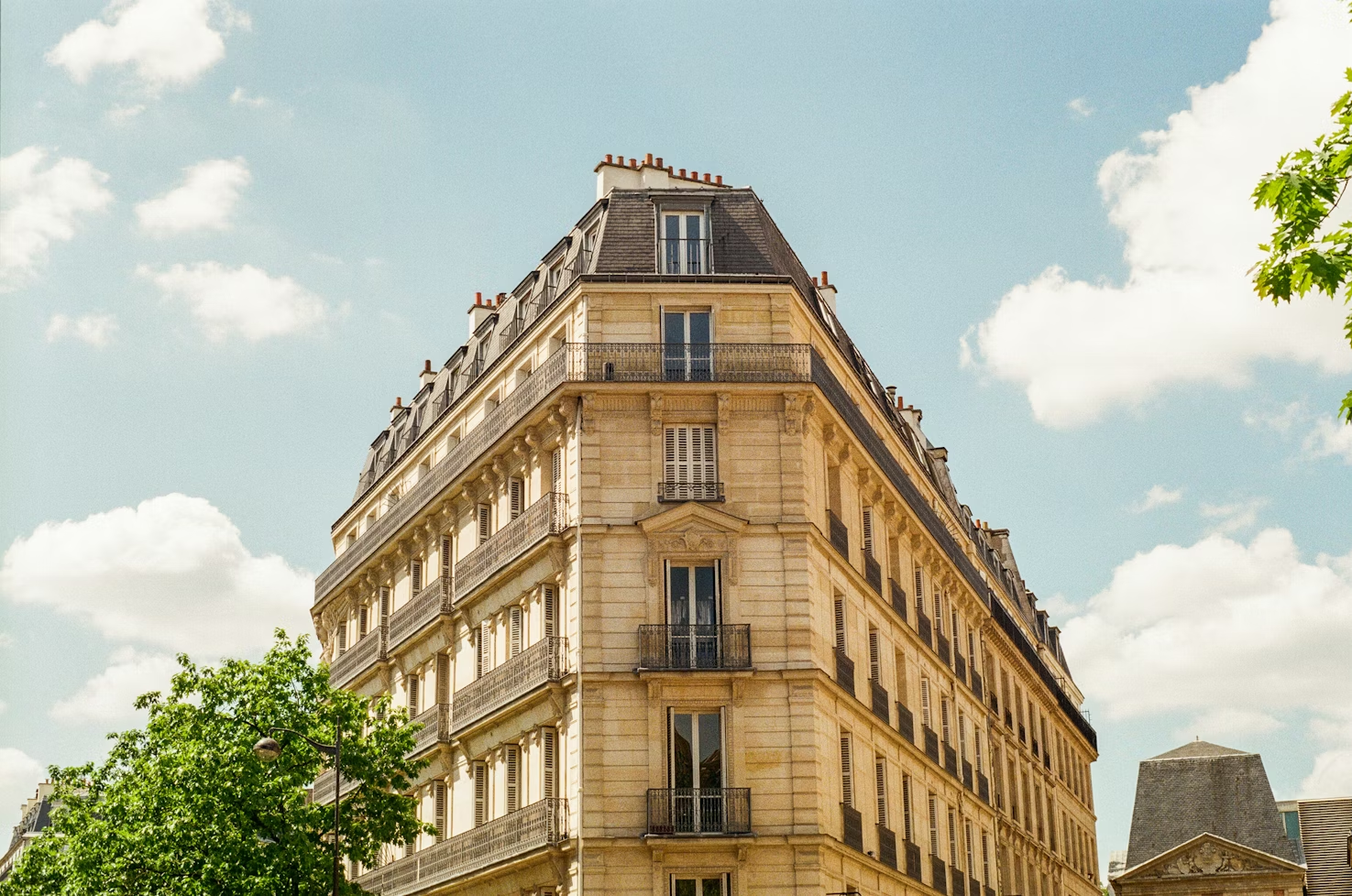
One year into living in France, we’re now in our second apartment. We’ve experienced two apartment searches, set up all utilities twice, and moved across the country once.
Finding an apartment in France was one of our biggest anxieties before moving here. We’d read the horror stories of how hard it can be to find housing and talked to expats who almost unanimously recommended just buying instead.
Despite all the negativity, we ploughed ahead with renting. We succeeded twice in finding a place to live, and now have some recommendations for other foreigners renting an apartment in France.
This is what renting an apartment in France is actually like, from signing the lease to setting up utilities, and how it compares to renting in the United States.
Disclosure: Some links in this article may be affiliate links. If you choose to use them, we may earn a commission at no additional cost to you. We only recommend services we believe are genuinely useful.
The First Apartment: Urgency and Compromise
As soon as we arrived in France, we dove straight into the apartment search. After an exhausting few weeks going into every agency in town, we finally found what looked like a really nice apartment on Leboncoin. We reached out and scheduled a showing with the owner.
On the first walkthrough we were really wowed by the place. The view was incredible, the layout was small but charming, and the owner seemed friendly. We applied, and after a few days were accepted. We were so excited!
Fast forward a few months, the cracks really began to show. The view was still beautiful, but the apartment itself turned out to be a giant turd.
The fridge stopped working (or maybe never fully worked at all) and all of our food spoiled. The oven short-circuited and frequently electrocuted us through the sink, where the ground wire was connected. There were termites in an exterior wall. And we had a rat chew through our homemade bug screens and take up residence behind our washing machine.
Our landlord seemed unfazed by these reports. Just a normal part of living in France, or so we were told.
As excited as we were to move in, we were just as excited to finally move out seven months later.

The Second Apartment: What We Did Differently
Determined to not repeat the same mistakes, we approached our second apartment search completely differently. We skipped the agencies and exclusively used Leboncoin. We queued up as many showings as we could (three) and flew to Annecy for a week to try and find an apartment.
After a busy week searching, we ended up being accepted for our top apartment choice. By comparison, this place was 100% better than our first apartment (but also 50% more expensive).
While we had to give up our stunning Mediterranean views and charming old building aesthetic, in return we got a modern, insulated building with first-world fixtures.
Five months in: all of our appliances still work, we don’t have any pests living with us, and our landlord has been extremely friendly and helpful. A breath of fresh air after our first French apartment experience.
French Lease Structure vs US Leases
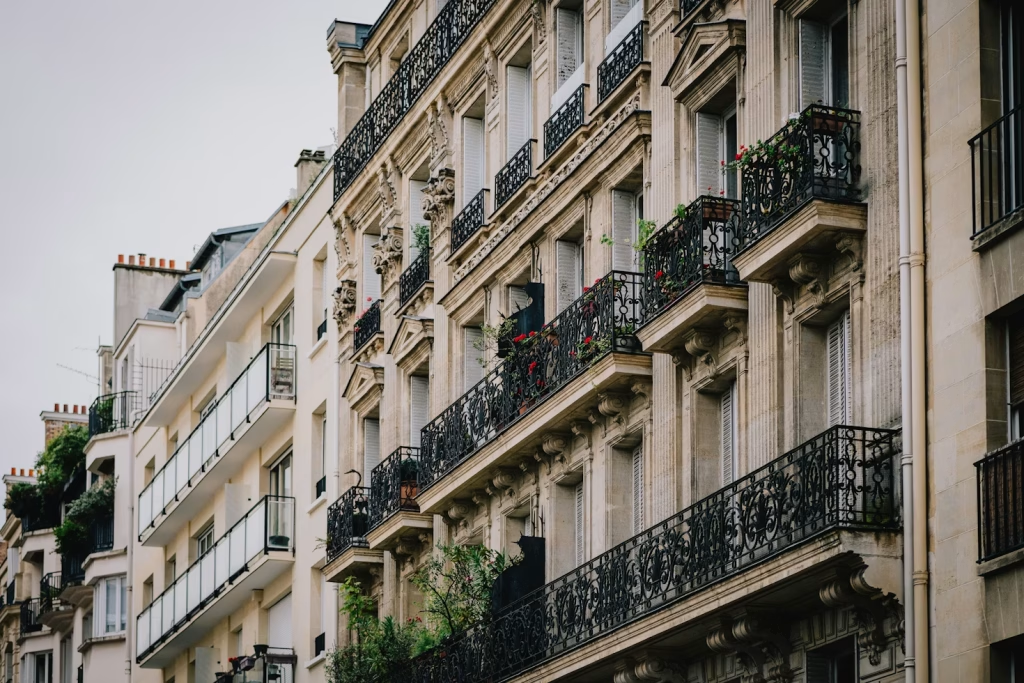
France has two types of leases: one-year for furnished apartments and three-years for unfurnished places. Both of our apartments have been furnished, and it’s likely what most expats will experience.
The biggest difference between the French and US leases is how to break the lease and move out. In France, the lease duration protects the tenant. The notice period for a furnished apartment is 1 month, regardless of how long you’ve been living in the unit. The landlord, however, must wait until the lease ends before the tenant can be asked to leave, either by selling the apartment or moving in themselves.
This is a big contrast to the US, where the lease duration is meant to ensure stable and consistent income for the landlord. Moving out early usually means paying several months of rent as a penalty for interrupting the steady and predictable cashflow of the owning class’s investment.
Beyond this, France also has much stronger tenant protections in general. Evictions are more difficult, and cannot happen at all in winter. Leases renew automatically and all rentals have rent increase protections. While property investment is extremely common, it is regulated more as an essential good, and not strictly as a capitalist tool.
Furnishings: What “Furnished” Really Means in France
France has a regulated minimum amount of furnishings that must be present for an apartment to be considered furnished. In practice, apartments will vary considerably in the amount and quality of furniture that comes with the unit.
Our first apartment included just the bare minimum to meet the legal definition of a furnished apartment. One pot, one pan, one blanket (but not sheets), etc. The landlord used the law as a checklist for what to buy, and included nothing more.
Our second apartment was generously furnished with much more than just the bare minimum. The kitchen cabinets were full of dishes, glasses, and cookware. There were shelves and drawers to store extra things. They even included some decorations.
Inspections and the État des Lieux
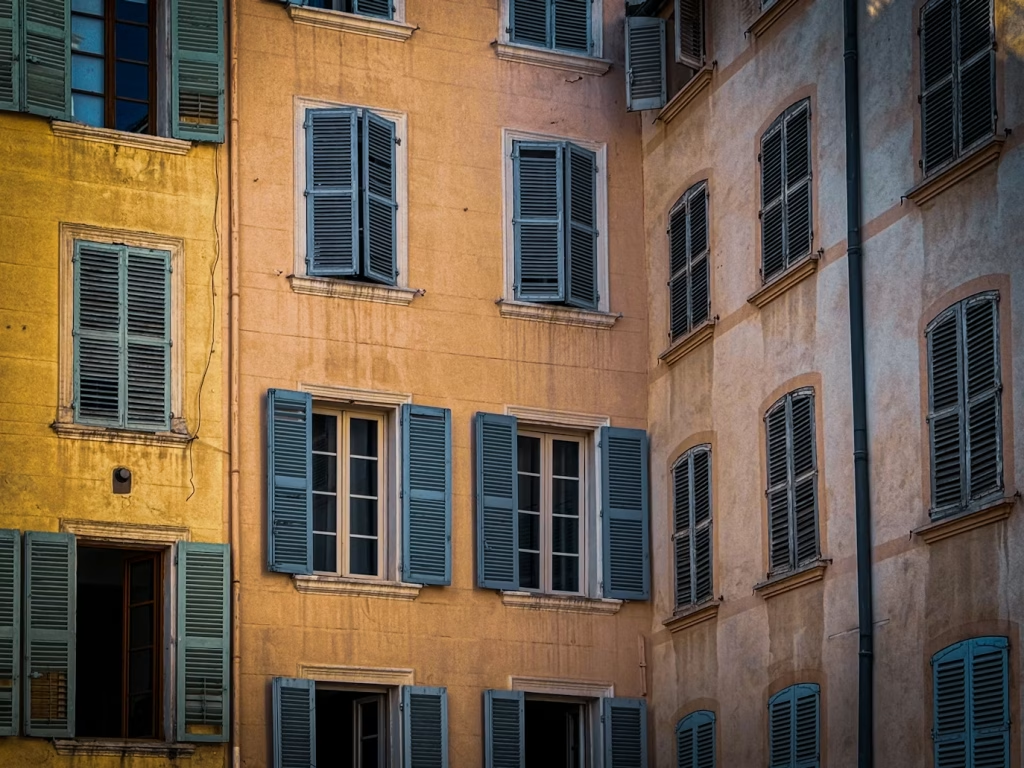
When moving in and moving out of an apartment, the walkthrough is known as the État des Lieux in France. It includes the state of everything in the apartment, including any furniture and the cleanliness levels. It’s generally much more intense than in the US, with much more paperwork (of course).
Apartment #1
This step took hours for our first apartment. We walked through and noted every single scratch, paint chip, and imperfection, plus meticulously recorded the number of forks, spoons, plates, bowls, and every single piece of furniture.
When moving out, we had to have the same level of detail applied. It really felt like our landlord was looking for any excuse to keep our deposit. She even went as far as commenting on how the baseboards were dustier than when we moved in, and she may need to have the apartment professionally cleaned.
It took us hours of back-breaking work in the middle of an already stressful move to make sure she didn’t have a single reason to keep our deposit.
Apartment #2
Our second move-in inspection was way more relaxed. The landlord had just taken a few pictures and noted what major pieces of furniture were included, and let us take our time writing any comments down.
Come move-out time, we’ll see if this relaxed approach comes back to bite us, but we highly suspect it won’t. He seems like a chill guy, and has been a great landlord so far.
Utilities and Setup
In both of our apartments, electricity and water have been very easy to set up. The utilities are usually already turned on, and it only takes a phone call or two to move them into our names.
If you’re a couple living together, make sure each has a utility in their name for proof of domicile. Being married and living together with all utilities in one name generally doesn’t cut it for proof of address of the other partner in France, which you’ll need for the Carte Vitale application.
None of our utility providers has accepted credit card payments; only bank payments. Having a Wise account open before arriving in France makes this step quite simple. Even after opening a French bank account, we still pay for all of our bills from our Wise account.
Read our full Wise review here.
Electric and Water
France has a dizzying number of billing options for electricity. Some have a flat fee per kWh, but most include discounts based on time of day; generally cheaper overnight and on weekends.
Water is more straightforward, with just a flat fee charged per cubic meter.
All options, however, are billed as forfait. The company estimates your usage based on household size and bills at that set rate. They then issue a refund or additional bill each year based on actual usage. The French really love to have fixed costs.
Internet
Our biggest utility struggle, by far, is getting internet set up. There’s no switch to flip remotely; it requires a technician to come out and manually install. Relying on someone to show up on time and do their job can be a bit of a crapshoot in France.
In Nice, this was a week-long affair. Multiple technicians came out, couldn’t find the existing line, and decided they’d need to run new fiber. We finally managed to pressure one to actually come back with the tools to do the job, but it wasn’t easy. After finally getting it installed, it stopped working after a day, so someone else had to come out and fix the previous shoddy work. A real nightmare.
In Annecy, things were much more similar to an American level of service. The technician showed up right on time and had the wifi working in under 30 minutes. It certainly helped that there was an existing fiber line to the apartment, but these things seem to run more smoothly up north.
Deposits, Fees, and Costs
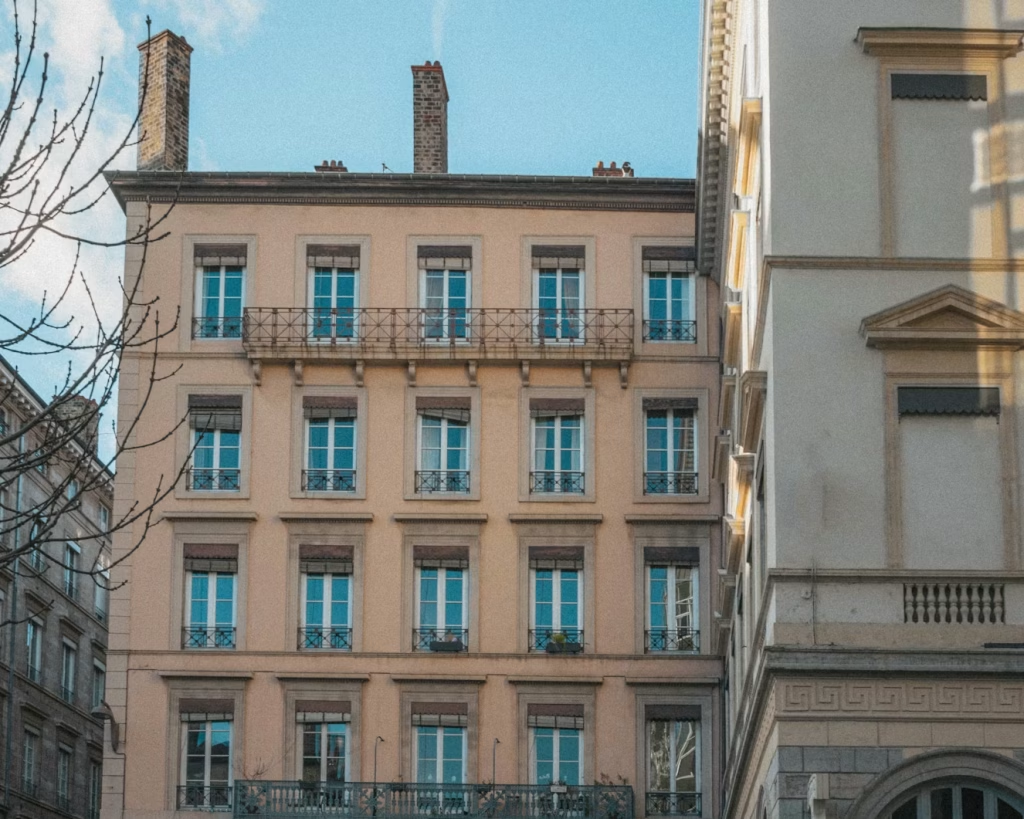
For both of our furnished apartments, our deposits have been set at the maximum, two months’ worth of rent. This has been the standard practice for security deposits in France across all of the furnished listings we’ve seen.
Moving in can be quite expensive. In addition to 2x the rent as a deposit, the first month of rent, prorated to the calendar month, is also due. And finally, there’s the guarantee. In our experience, GarantMe has wanted the 4.5% upfront, and doesn’t bill monthly.
Altogether, it can total up to 3.5 months of rent needed at move-in. For our €1500/month apartment (€1400 rent, €100 building charges), we needed:
- €2800 security deposit
- €1500 first month’s rent
- €810 guarantee
Total: €5110 due before moving in.
What Is Actually Better in France
As long-term renters, we’ve noticed that France does some things much better than the US:
- Strong tenant protections and rent control
- Housing as an essential need, not an investment
- Furnished apartments are common, great for expats
- No lease break, easy to move out anytime
What Is More Frustrating
There are definitely some things we miss about the renting experience in America:
- Competitive and tight market, low selection
- Difficult to find rentals without a French employment contract (CDI)
- Strong tenant protections reduce housing supply, make landlords extremely cautious, favoring Airbnb/vacation rentals
- Many old buildings: charming to look at but not to live in
Old Buildings vs Modern Apartments in France
After Airbnb-ing and living in an array of different buildings in France, we’ve come to find a clear preference in building age: the newer the better.
Old Ass Buildings
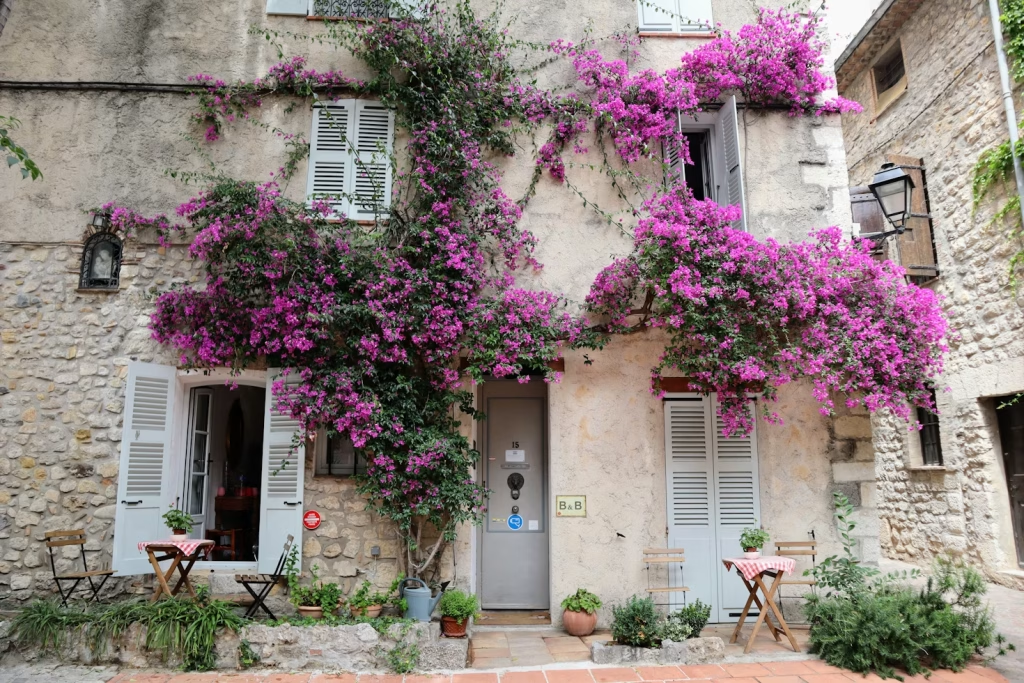
A charming stone French farmhouse is likely what any American dreams of when picturing a French retirement. Thick stone walls are excellent for noise insulation and Instagram highlights, but really old buildings come with many downsides.
Expect lots of issues with electricity and sewage from the ancient utilities. Make sure the windows and doors are new, so the sound insulation of the stone isn’t wasted on single-pane glass. Finally, check that heating and moisture control are modern and working well.
Post-WW2 Old Buildings
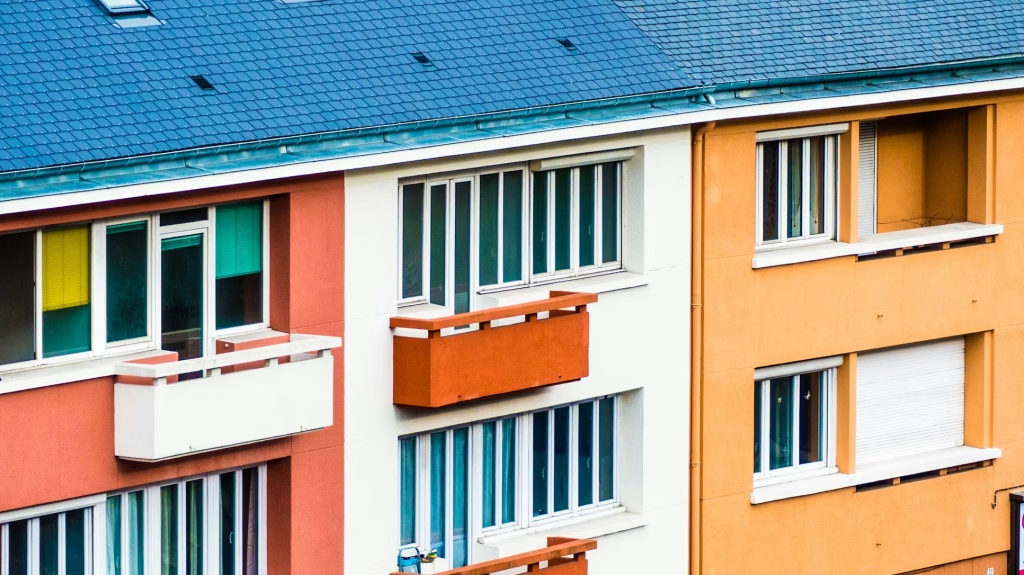
France built massive amounts of apartment buildings in the 60s and 70s. The buildings are easy to identify from the street: they’re strikingly ugly in an otherwise beautiful architectural landscape.
While the utilities in these buildings are usually fine, there’s one glaring issue: noise insulation, or lack thereof. If you don’t enjoy hearing your neighbors’ bodily functions, approach post-war, unrenovated buildings with caution.
Additionally, asbestos was not banned in France until 1997, and was used heavily in construction around this time. An inspection and disclosure are required when selling a property, but not when renting.
Modern Buildings
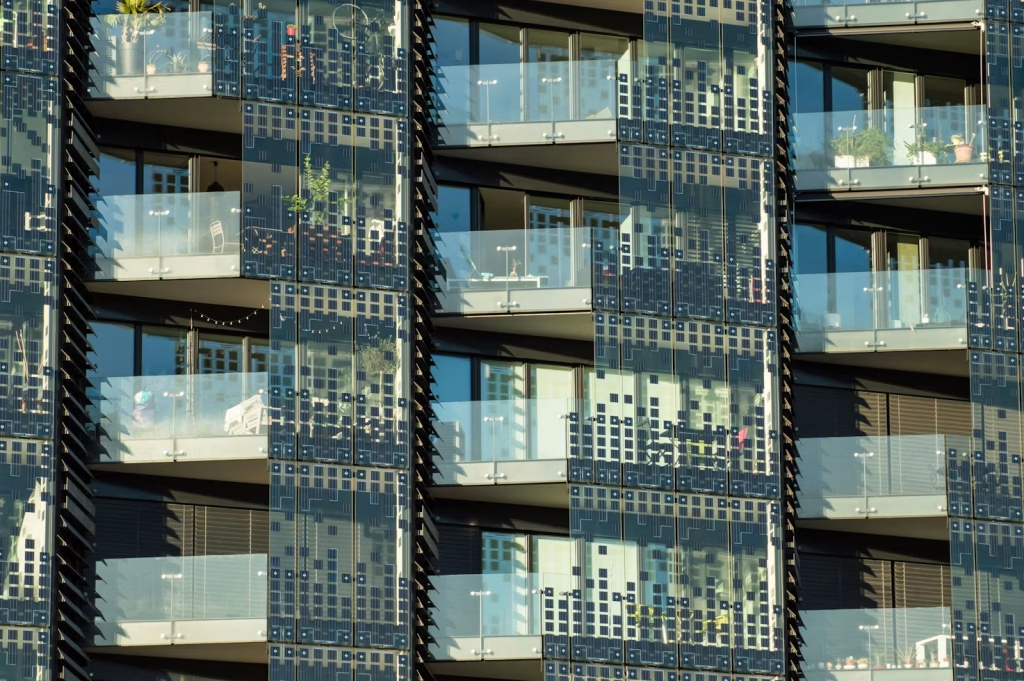
France passed stricter noise-related building codes starting in 1997, strengthening them through 2020. In our opinion, modern or newly renovated buildings are the best option for a peaceful life.
Would We Do It Again?
While we’d love to stay in one apartment and not have to deal with another move for a long time, most likely we’ll be at it again eventually.
But part of the upside of renting is the flexibility to move anytime, especially without lease-break fees in France.
We’ll likely move around the Annecy area as we get a better feel for which neighborhood we’d like to eventually purchase and settle in.
Questions? Comments? We’d love to hear from you in the comment section, or feel free to write us directly.
🥖 🧀 🍷
Leave a Reply