
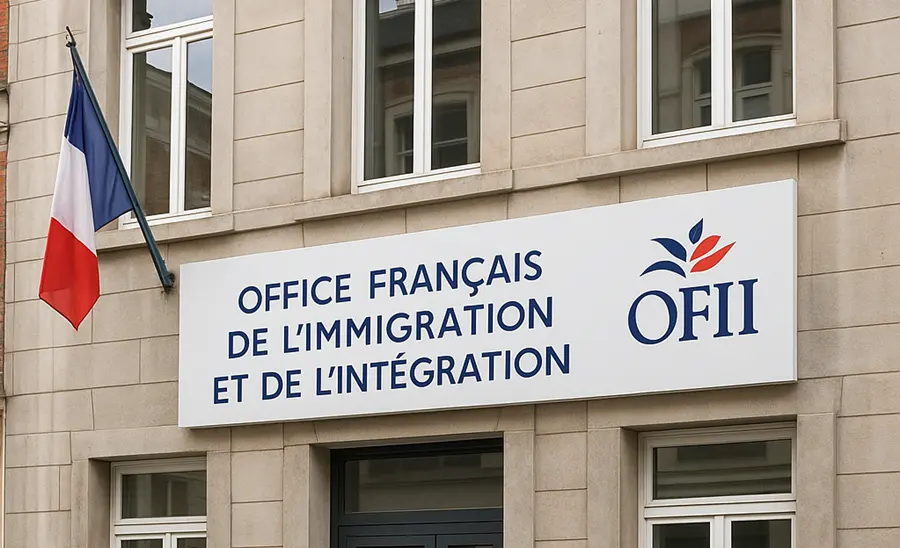
Years ago, the path from visa holder to French citizen was straightforward and attainable. Living in France for 5 years, speaking French at a B1 level, and knowing some of the country’s history was all it took to qualify and likely obtain citizenship.
In 2025, things are changing rapidly, and not for the better. With politics in France and Europe as a whole shifting to the right, anti-immigration sentiment is rising. These new policies impact all immigrants, making the goal of obtaining citizenship a moving target subject to change each year.
All these policies are new, and could certainly change at any point. No one knows what will happen and most of the language used is vague and open to interpretation. In this article, I’ll outline what the changes are and what they could mean for retirees. The actual application of these changes, however, is still just conjecture.
The Biggest Change Impacting Retirees

France’s Minister of the Interior, Bruno Retailleau, introduced several new hurdles impacting immigrants hoping to obtain French Naturalization by Decree. For the expat hoping to retire to France and eventually obtain citizenship, one big change stands out amongst the others: economic integration.
Economic Integration
Officially referred to as Professional Integration, this section is often glossed over in favor of more broadly relevant changes, like the new requirement for B2 language-level French. But for anyone retiring to France and hoping to eventually obtain citizenship, this may be an insurmountable hurdle.
Previously, economic integration was interpreted as having stable and sufficient income to support yourself and your family. France, like all countries, didn’t want immigrants draining public services or not contributing to the public good. Retiring to France with a pension or enough investments generally checked this box.
Now, there are two big requirements being added: holding a French employment contract and deriving the majority of your income from France. Both of these are problematic for retirees coming from abroad.
Working on the VLS-TS Visitor Visa
When applying for the VLS-TS Visitor Visa, applicants must agree not to exercise any professional activity in France. The Visiteur visa grants you no right to work in France, and doing so would likely lead to a denial during renewal.
How, then, do you hold a French employment contract to show professional integration?
Unfortunately, you don’t. This is either an oversight that’s accidentally excluding retirees (unlikely) or a way to intentionally exclude those not working from obtaining citizenship (very likely).
Foreign Sourced Income
Even just having the majority of your income originate from abroad is (allegedly) grounds for denying your citizenship application. But, what expat retiree doesn’t have most of their income originating from abroad?
There’s always the option to buy local real-estate and start an AirBnB business, generating enough income locally to qualify. But this takes hard work, is high risk, and isn’t what most retirees are hoping to spend their time doing.
Luckily, there are a huge number of British pensioners retired in France who hope to obtain French citizenship after Brexit. Hopefully this group has enough political clout to push back on these new economic requirements.
Other Changes Impacting Everyone
The move to requiring B2 level French instead of B1 is another hurdle making obtaining citizenship more challenging. However, speaking B2 French is something that seems essential to successfully integrating and building a balanced life outside of the expat bubble.
I’ve been able to reach roughly an A2 level of French with just 30 minutes per day of practice over nine months of living here and I plan to be B2 in 3-4 years.
Citizenship vs Permanent Residency
All these changes only impact naturalizing, with Permanent Residency still available after five years of continuously residing in France. So what’s the big deal?
First, citizenship in France grants the right to vote. Without the right to vote, permanent residents have no real political representation. Want your friends and family to be able to still have a path to joining you in France after they visit? Voting against anti-immigration parties helps keep that dream alive for them.
Second, citizenship in France grants a real, legal right to continue to stay in France indefinitely. Each time you renew a Permanent Residency card, there’s a risk of it being denied. And with the rise of the far-right and Marine Le Pen, renewing residency cards could get harder and harder.
Finally, citizenship allows you to leave and return to France as you please. Need to take care of an elderly parent back in your home country? Want to try living in Japan for a few years? More than just skipping the long line for foreigners at the airport, you won’t have to re-apply for a new residency permit.
Conclusion
While on paper it seems that France provides an easy 5-year path to citizenship for retirees, things are rapidly changing. With the new legal changes and the overall trajectory towards stricter immigration, it looks like the answer is No.
Personally, we still plan to settle in France and hope things change and we can obtain citizenship after 5 years. We’ll keep this blog updated with our progress towards that goal and any changes we’re making to hit this moving target, so make sure to subscribe for email updates.
Questions? Comments? We’d love to hear from you in the comment section or feel free to write us directly.
🥖 🧀 🍷





Leave a Reply